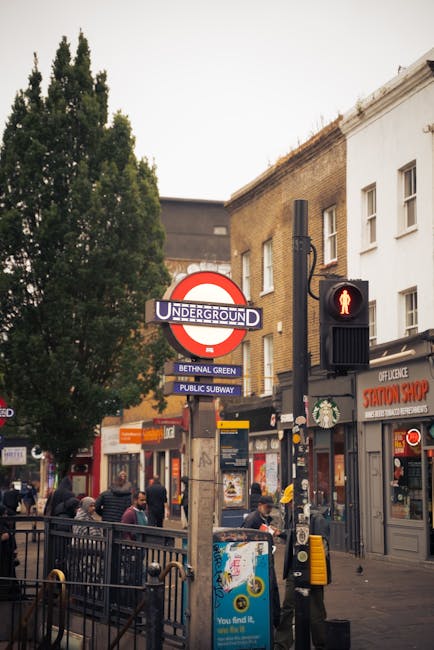
Where to leave bulky items near Bethnal Green Tube station
If you have a bulky sofa, broken wardrobe, old mattress, or office chair on your hands, the question is usually not what it is. It is where to put it, and how to do it without creating a mess, a fine, or a half-day headache. Around Bethnal Green Tube station, space is tight, pavements are busy, and the wrong choice can cause more trouble than the item itself.
This guide explains where to leave bulky items near Bethnal Green Tube station, what your realistic options are, and how to choose the safest, simplest route. Whether you are clearing one item after a delivery, dealing with a flat clear-out, or removing a full room of furniture, you will find practical steps here, along with local-friendly advice that keeps things moving smoothly.
Truth be told, most people just want the thing gone by the end of the day. Fair enough. Let's look at the options that actually make sense.
Why Where to leave bulky items near Bethnal Green Tube station Matters
"Bulky items" sounds simple, but in London it can quickly become a logistics problem. A sofa in a narrow stairwell, a wardrobe that will not fit through the front door, or a pile of office furniture left after a move all need a proper plan. Near Bethnal Green Tube station, that matters even more because access can be awkward, footfall is high, and you usually cannot just park anywhere for long.
The main issue is not only convenience. It is also responsibility. Leaving items in the wrong place can block access, upset neighbours, attract fly-tipping complaints, or create safety risks for pedestrians and building users. And if the item contains wood, fabric, metal, glass, or electrical components, disposal method matters too.
So the real question is not just "where can I dump this?" but "what is the safest and most sensible way to remove it from a busy area?" That shift in thinking saves time, avoids stress, and usually costs less in the long run. A small change, but a useful one.
If your bulky item is part of a larger clear-out, it may also be worth looking at furniture clearance services, home clearance, or office clearance options, depending on what you are dealing with.
How Where to leave bulky items near Bethnal Green Tube station Works
There are usually four practical ways to deal with bulky items near Bethnal Green Tube station:
- book a local collection service
- use a council or authorised bulky waste option, where available
- take the item to a suitable reuse, recycling, or disposal point if you can transport it safely
- arrange a clearance team to remove multiple items from inside the property
Each option has different trade-offs. A single armchair might be straightforward. A cracked wardrobe, two mattresses, and an old desk from a second-floor flat is another story entirely. In practice, the best route depends on size, condition, building access, parking, and how quickly you need the space back.
Near the tube station, timing matters as well. Mornings can be busy, and even a short unload can turn into a frustrating wait. If the item is heavy or awkward, two people and a proper vehicle are usually safer than trying to edge it along a pavement yourself. It sounds obvious, but people do try to "just shift it" more often than you'd think.
If the bulky item is furniture, you may find the guidance on furniture disposal helpful. For mixed household loads, waste removal can be the cleaner all-round option.
Key Benefits and Practical Advantages
Choosing the right way to leave or remove bulky items near Bethnal Green Tube station gives you a few clear benefits.
Less stress on the day
When you know the plan, there is less panic about timing, lift access, or whether the item will even fit through the doorway. That alone is worth a lot.
Lower risk of damage
Dragging a wardrobe down stairs or lifting a sofa around a tight corner can damage walls, floors, and the item itself. A proper removal process reduces that risk.
Cleaner streets and shared spaces
Leaving items in a hallway, outside a building, or near an entrance "for now" can quickly become a nuisance. A proper clearance keeps common areas usable and tidier.
Better recycling outcomes
Many bulky items contain materials that can be separated and handled more responsibly. If sustainability matters to you, this is where a professional service often adds value. You can read more about recycling and sustainability practices if that is a priority.
A smoother move or refresh
Whether you are decorating, downsizing, or changing office layout, getting rid of bulky items properly helps the rest of the project flow. One missing chair or mattress can hold everything up. Annoying, really.
Who This Is For and When It Makes Sense
This kind of service or guidance is useful for a wide range of people around Bethnal Green.
- Tenants clearing furniture before a move-out inspection
- Homeowners replacing old furniture or clearing a spare room
- Landlords dealing with left-behind items after a tenancy
- Offices removing desks, chairs, filing cabinets, and unwanted equipment
- Tradespeople with construction offcuts or renovation waste
- Families handling loft, garage, or house clear-outs
It also makes sense if the item is simply too large for standard bin collections, too heavy for you to move safely, or too awkward to transport in a personal car. A broken bed frame on a wet evening near Bethnal Green High Street is not the time for improvisation. Let's face it.
If the job is bigger than one item, consider whether a broader clearance route fits better. The pages for flat clearance, house clearance, and garage clearance are especially relevant for that sort of mixed load.
Step-by-Step Guidance
Here is a practical way to decide what to do with bulky items near Bethnal Green Tube station.
- Identify the item clearly. Is it furniture, white goods, office equipment, builders' rubble, or garden waste? The category affects the best disposal route.
- Check whether it can be reused. If the item is in decent condition, donation or reuse may be possible. If not, disposal is the next step.
- Measure access. Note stair width, lift size, hallway turns, and any parking restrictions. A sofa that looks manageable in a room can be a nightmare at the front door.
- Decide if you can move it safely. If it needs two people, gloves, a trolley, or a van, plan accordingly rather than winging it.
- Choose the disposal route. Compare collection, clearance, transport, or disposal-point options based on convenience and item type.
- Separate materials where helpful. Remove cushions, loose metal, batteries, or personal items where appropriate.
- Book or arrange the removal. If you are using a service, confirm timing, access details, and any special instructions.
- Keep the area clear. Do not leave bulky items in communal entrances or shared pavements while waiting indefinitely.
If the item is part of a larger office clear-out, the business waste removal page can be useful too, especially where there are records, desks, chairs, and mixed office contents to handle together.
Expert Tips for Better Results
Over time, a few habits make bulky-item removal much easier. Nothing fancy. Just the kind of small choices that save you a headache later.
Measure before you move
Always check the item dimensions against doorways and stairwells. This is especially important in older Bethnal Green buildings where corridors and staircases can be narrower than you expect.
Think about load order
If you are loading several items, put the largest and heaviest pieces in first. That makes the rest safer to stack and prevents unnecessary re-handling.
Protect the route
Use blankets, cardboard, or moving covers to protect floors and walls. A few seconds of prep can prevent a chipped wall or scratched banister. Little thing, big difference.
Separate recyclable materials early
Metal, clean wood, and certain furniture components may be handled differently from general waste. Keeping them together where appropriate can improve recycling outcomes and reduce confusion on collection day.
Ask about insurance and handling standards
If someone else is removing the item, it is perfectly reasonable to ask how they handle lifting, transport, and damage risks. A reputable provider should be able to explain this clearly. For related details, the insurance and safety page is a useful reference.
Plan around local timing
Near a tube station, traffic, footfall, and loading access can all vary by time of day. Early or mid-morning may be calmer than later commuter periods. You do not need a military operation, but a bit of timing awareness helps.
Common Mistakes to Avoid
The mistakes are usually very human ones. A bit rushed, a bit optimistic, and suddenly the wardrobe is wedged halfway through the landing.
- Leaving items outside "just for a bit" without arranging a proper collection
- Blocking shared entrances in flats, offices, or mixed-use buildings
- Guessing the item will fit instead of measuring properly
- Underestimating weight and trying to move heavy furniture alone
- Mixing rubbish types when separation would help with recycling or compliance
- Ignoring parking or loading constraints near a busy station area
- Choosing the cheapest option only without checking what is included
One classic mistake is assuming all bulky waste is handled the same way. It is not. A mattress, a broken wardrobe, and a damaged office chair may all need different handling, even if they end up in the same van. That sounds obvious after the fact, of course.
Tools, Resources and Recommendations
You do not need a garage full of equipment to deal with bulky items, but a few basics make the process smoother.
Helpful tools
- work gloves with a good grip
- measuring tape for doors, corridors, and stairwells
- moving blankets or old duvets
- trolley or sack barrow for heavier items
- strong tape or straps for loose parts
- bin bags or boxes for smaller loose waste
Useful service pages
If you are weighing up a professional route, the most relevant service pages on this site include furniture clearance, home clearance, loft clearance, and builders waste clearance. Those cover the main real-world situations people face around Bethnal Green.
Trust and service information
When choosing a provider, it is sensible to check details like pricing, handling, payment security, and complaints processes before you book. The following pages are worth a look: pricing and quotes, payment and security, complaints procedure, and contact us.
That kind of transparency matters. It tells you what to expect before anyone turns up with a van and a very full schedule.
Law, Compliance, Standards, or Best Practice
For bulky-item disposal in the UK, the key point is simple: do not treat it like abandoned rubbish. If you leave items in the wrong place or use an unlicensed route, you can create problems for yourself and others. Local authority rules, building management requirements, and waste carrier expectations may all apply depending on the situation.
Best practice is to use a legitimate collection or disposal route, keep clear records if you are a business, and make sure the provider can explain how the waste will be handled. That is particularly important for office clearances, refurbishment waste, and mixed loads containing furniture or electrical items.
If your bulky items come from a commercial setting, or if there are sensitive materials involved, it is sensible to check safety and handling standards in advance. You can review the site's health and safety policy for a clearer sense of approach. For organisations with wider ethical and supply-chain concerns, the modern slavery statement is also part of the trust picture.
One more practical note: accessibility matters too. If a route, booking page, or service detail is difficult to use, that can slow everything down. The accessibility statement is a helpful sign that usability has been considered.
Options, Methods, or Comparison Table
Here is a simple comparison of the main ways to handle bulky items near Bethnal Green Tube station.
| Option | Best for | Pros | Watch out for |
|---|---|---|---|
| DIY move and dispose | Small, manageable items | Flexible and straightforward if you have transport | Heavy lifting, parking, damage risk, time |
| Professional bulky-item collection | Single or mixed bulky items | Convenient, faster, less lifting for you | Check what is included and whether access is suitable |
| Full clearance service | Flats, houses, offices, garages, lofts | Best for multiple items and larger clear-outs | May be more than you need for one item |
| Reuse or donation route | Items in good condition | Lower waste, potential social value | Collection criteria can be strict |
| Recycling or disposal point | Items you can transport safely | Useful for separated materials | Transport effort and loading limitations |
For many people, the best answer is a mix of methods. For example, keep reusable furniture separate, remove mixed waste with a clearance team, and handle small bits yourself. That approach is often calmer and more cost-effective than trying to force everything into one solution.
Case Study or Real-World Example
Imagine a tenant in a second-floor flat a short walk from Bethnal Green station. They need to leave a sofa, a bed frame, and a desk before handing back the keys. At first, it looks manageable. Then they measure the stair landing and realise the sofa needs to turn at an awkward angle halfway down the stairs. Classic.
Instead of dragging it out piece by piece, they check access, take photos, and arrange a clearance option that fits the property layout. The desk and bed frame are removed together, the hallway stays clear, and the tenant avoids arguing with the building's shared entrance rules. The sofa is handled properly rather than left outside "for later."
That is the real win here: not just removal, but removal without creating a second problem. Less stress, less mess, and less risk of upsetting neighbours or delaying the move.
In another common scenario, a small office near Bethnal Green replaces a batch of chairs and filing units. Rather than leaving items in a corridor or trying to split disposal between staff members, they book office clearance and keep the workplace usable until collection day. Simple, tidy, done.
Practical Checklist
Use this quick checklist before you arrange bulky-item removal near Bethnal Green Tube station.
- Have you identified exactly what needs to go?
- Is the item reusable, recyclable, or just waste?
- Have you measured the item and the access route?
- Do you need two people, a trolley, or a vehicle?
- Are there stairs, lifts, or tight corners to factor in?
- Do you need to book parking or loading access?
- Have you checked for loose parts, sharp edges, or hidden contents?
- Have you chosen a service that matches the volume of waste?
- Do you know where the item is going next?
- Have you kept communal spaces clear until collection?
If you can tick most of those off, you are in good shape. If not, pause and sort the awkward bits first. It always takes less time than fixing a rushed decision later.
Get a free quote today and see how much you can save.
Conclusion
So, where should you leave bulky items near Bethnal Green Tube station? The honest answer is: somewhere lawful, safe, and planned, not just anywhere that happens to be convenient for five minutes. The best route will depend on the item, the building, the timing, and whether you need a one-off collection or a fuller clearance.
For a single manageable item, a straightforward collection or transport option may be enough. For furniture, office contents, loft junk, or mixed household waste, a proper clearance service is often the easier choice. Either way, the goal is the same: get the item out without creating hassle for you, your neighbours, or the street outside.
And if you are standing there with a bulky thing blocking the hallway, wondering how on earth it got so heavy all of a sudden, you are not alone. A calm plan fixes most of it. One step at a time.
For the next move, check the relevant service page, confirm your access details, and choose the option that makes the day feel lighter rather than messier. That is usually the right call.
Frequently Asked Questions
Can I just leave a bulky item outside near Bethnal Green Tube station?
Not without arranging a proper collection or following the relevant local rules. Leaving items outside casually can create obstruction, safety issues, or fly-tipping concerns. It is better to plan a lawful removal route.
What counts as a bulky item?
Typically, bulky items are large or awkward things like sofas, beds, wardrobes, mattresses, desks, office chairs, and large cabinets. Anything too large for normal household waste handling usually falls into this category.
Is it cheaper to move a bulky item myself?
Sometimes, but not always. If you have the right vehicle, help, and access, DIY can be cheaper. Once you factor in parking, lifting risk, damage, and time, a professional service may represent better value.
What if my item is still in usable condition?
If it is clean and functional, reuse or donation may be worth exploring first. If that is not practical, a collection or clearance service can still help remove it responsibly.
Do I need to be home for collection?
Usually yes, or at least someone authorised should be present if access arrangements are needed. It depends on the provider and the property layout, so confirm this before booking.
Can bulky items be collected from a flat or upper floor?
Yes, many can. The main factor is access. Stair width, lift size, turning space, and building rules all affect how the collection is done.
What should I do with furniture that cannot be reused?
Furniture that is damaged, unsafe, or beyond repair is usually best handled through furniture disposal or general waste removal, depending on its materials and condition.
Are office items handled differently from household items?
Often, yes. Office waste may involve desks, chairs, cabinets, and sometimes confidential materials or larger volumes. In those cases, business waste removal or office clearance is usually the better fit.
How do I choose between a full clearance and a single-item collection?
If you only have one or two large items, a simple collection may be enough. If you have multiple rooms, mixed waste, or a tight deadline, a full clearance is usually more efficient.
What should I ask before booking a bulky waste service?
Ask what is included, whether the team handles lifting, how they manage access issues, how pricing works, and what happens to the waste afterwards. It is also sensible to ask about safety and insurance.
Can builders' waste be left in the same way as furniture?
Not really. Builders' rubble, offcuts, and renovation waste are usually handled separately because the material mix is different. A dedicated builders waste clearance route is usually more appropriate.
Where can I get help if I am not sure which service I need?
If you are uncertain, start with the service most closely linked to your item type and then use the contact page for clarification. The main thing is not to guess if the load is bulky, mixed, or time-sensitive.
Is there anything I should prepare before a collection team arrives?
Yes. Clear pathways, identify the items, move smaller loose objects out of the way, and make sure access details are accurate. A little prep makes the job faster and safer.