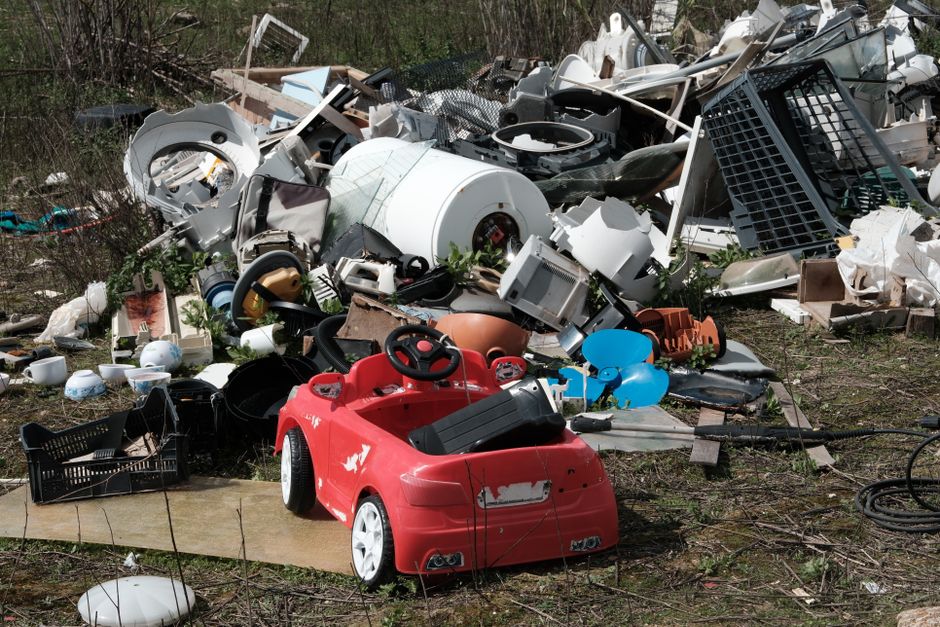
Tower Hamlets fines for illegal dumping: landlords' guide
If you let property in Tower Hamlets, illegal dumping can become your problem faster than you might expect. One bulky sofa left beside the bins, a few builders' sacks dumped after a tenant move-out, or a careless contractor leaving waste in the wrong place can all lead to complaints, enforcement action, and avoidable costs. This guide to Tower Hamlets fines for illegal dumping is written for landlords who want to stay ahead of the issue, protect their property, and handle waste the right way without drama.
Truth be told, most landlords are not trying to cut corners. The headache usually comes from mixed responsibilities: tenants, cleaners, letting agents, tradespeople, and neighbours all touching the same waste stream. The good news? With a bit of structure, you can reduce the risk sharply and respond sensibly if something goes wrong.
Table of Contents
- Why this matters for landlords
- How Tower Hamlets fines for illegal dumping works
- Key benefits and practical advantages
- Who this is for and when it makes sense
- Step-by-step guidance
- Expert tips for better results
- Common mistakes to avoid
- Tools, resources and recommendations
- Law, compliance, standards and best practice
- Options, methods and comparison table
- Case study or real-world example
- Practical checklist
- Conclusion
- Frequently asked questions
Why Tower Hamlets fines for illegal dumping: landlords' guide Matters
Illegal dumping is not just an eyesore. For landlords, it can trigger complaints from neighbours, extra clean-up costs, delays between tenancies, and in some cases enforcement scrutiny. If waste is left on or near your property, the council may treat it as a serious environmental nuisance. And even when the waste was not placed there by you personally, the property owner can still end up dealing with the fallout.
That is the part many people miss. Waste problems are rarely neat or self-contained. A tenant leaves suddenly, a contractor is rushed, a shared hallway becomes cluttered, and then someone says, "It was already there." Suddenly you are trying to work out who is responsible while the rubbish sits outside, attracting more rubbish. Lovely scene, that.
For landlords in Tower Hamlets, the practical point is simple: prevention is cheaper than reaction. Good waste controls help you protect rentability, keep inspections smooth, and show that you take your duties seriously. If you manage multiple properties, even one unmanaged clearance can become a chain reaction.
Key takeaway: treat waste management as part of property management, not an afterthought. The clearer your process, the less chance you have of paying for someone else's mess.
How Tower Hamlets fines for illegal dumping: landlords' guide Works
In plain English, illegal dumping usually means waste being left somewhere it should not be: on a pavement, by a bin area, in a shared passage, on private land without permission, or in a spot that causes a nuisance. The council can investigate reports, inspect the site, identify who is linked to the waste, and decide whether enforcement action is needed.
For landlords, the critical thing is that liability can become complicated. If waste is found at or near your property, officers may look at the circumstances: who had access, whether tenants were moving out, whether a contractor was involved, and whether the waste was from a recent clearance or refurbishment. That is why good records matter so much. A simple invoice, handover note, or contractor confirmation can make a real difference.
There is also a broader reality here. Tower Hamlets is dense, busy, and very visible. What gets left outside in the evening can be photographed by morning. A neighbour complaint can travel quickly, especially in flat conversions and shared entrances. So while fines are the headline risk, the reputational damage often comes first. And to be fair, nobody wants their name associated with a pile of soggy plasterboard and an old mattress on a Friday morning.
If waste was caused by a tenant, you may still need to act fast to remove it and then decide how to recover costs through tenancy terms or deposit processes, where appropriate. If a contractor caused the problem, the next step is to hold them to account through your agreement and records. The point is not just blame. It is control.
Key Benefits and Practical Advantages
Building a proper approach to waste handling is not only about avoiding penalties. It also makes the property itself easier to manage. A landlord who can keep waste under control tends to have fewer awkward calls, faster void turnaround, and fewer disputes over who left what where.
- Lower enforcement risk: fewer complaints and fewer reasons for the council to investigate your site.
- Cleaner handovers: tenant changeovers are smoother when rubbish is removed properly.
- Better neighbour relations: shared blocks and terraces stay tidier, which matters more than people admit.
- Less time wasted on follow-up: one clear clearance is easier than three half-finished attempts.
- Stronger records: if anyone challenges you later, you have evidence of responsible action.
There is also a business benefit. Well-managed waste removal supports property condition, which in turn helps with viewings, compliance checks, and general tenant experience. That might sound obvious, but plenty of landlords only notice it after a complaint lands. The smell in a stairwell, the sight of broken furniture by the kerb, the awkward email from a neighbour - it all adds up.
If you are already planning a broader clearance, it can help to combine waste removal with other property tasks. For example, a void flat may need furniture clearance, loft clearance, or even a full flat clearance after a tenancy ends. In other cases, landlords use house clearance for larger moves or inherited properties. The best option depends on the scale of the job, not just the postcode.
Who This Is For and When It Makes Sense
This guide is especially useful if you are:
- a private landlord managing one or more rental properties in Tower Hamlets
- a letting agent handling end-of-tenancy clearances
- a resident landlord with shared access areas
- a landlord dealing with a refurbishment, strip-out, or property reset
- someone responsible for a building where tenants, tradespeople, and cleaners all come and go
It also makes sense if you have had a near miss already. Maybe a tenant left bags in the hallway. Maybe a builder abandoned rubble next to the bins. Maybe the previous occupier left bulky furniture and you are not sure whether it counts as fly-tipped waste or simply neglected clearance. In real life, these situations blur together.
If you are overseeing multiple sites, you may want a more formal waste process. That could include a preferred clearance provider, booking rules for move-outs, and checks on where waste is temporarily stored before collection. If your properties also include communal bins or offices, you may need something closer to business waste removal rather than ad hoc disposal. Different setup, different risk profile.
Step-by-Step Guidance
If you want to reduce the chance of illegal dumping problems, a simple process works better than a complicated one. Here is a practical route landlords can actually use.
- Map your waste hotspots. Look at bin stores, rear alleys, shared entrances, and any place where bulky items tend to gather after moves.
- Set tenant expectations early. Spell out who handles bulky waste, where it can be left, and what happens at check-out.
- Use written instructions for contractors. If someone is clearing a loft, garden, or builder's debris, make sure they know exactly what is included.
- Keep evidence. Save invoices, photos, collection notes, and any messages confirming responsible removal.
- Inspect quickly after voids or works. Do not wait a week. The longer waste sits, the harder it is to prove where it came from.
- Act on small issues immediately. One bag of waste can become five bags and a complaint if left untouched.
- Escalate repeated problems. If the same tenant, building, or contractor causes issues, change your process.
There is a small but important detail here: timing. A clear-out done in daylight, with a booked collection and a named contact, is much easier to evidence than a late-night "we'll sort it tomorrow" arrangement. One feels controlled; the other feels messy. Councils and neighbours notice the difference.
If you need a broader property clearance, it helps to work from a service that can deal with different waste streams in one visit. For example, a landlord refitting a rental may combine waste removal with disposal of old furniture, while a property with old beds, sofas, or wardrobes may need furniture disposal. Less faffing about. Fewer missed items.
Expert Tips for Better Results
After a while, you notice that waste problems are usually process problems in disguise. A few practical habits go a long way.
- Use a handover checklist at tenancy change. If the property is being vacated, make waste clearance a formal step, not a casual request.
- Photograph the site before and after clearance. This is especially useful for dispute resolution.
- Separate "junk" from hazardous or specialist waste. Paint, electrical items, and certain construction materials may need different handling.
- Choose one responsible point of contact. Too many voices cause confusion. One person should authorise the clearance.
- Keep communal areas clear of staging piles. Even temporary storage can create complaints if it blocks access.
- Plan for bulky items in advance. Sofas, mattresses, and broken cabinets need more thought than general bagged waste.
A small real-world observation: the more rushed a clearance looks, the more likely it is to go wrong. You can almost hear it when a job is underplanned - bags scraping, doors left open, someone saying, "We'll just leave it here for now." That is usually the moment to slow down.
For voids, refurbishments, or probate-related properties, you might also need broader clearance help such as home clearance or loft clearance, especially where items have been accumulated for years. Matching the method to the property saves money and keeps the site tidy.
Common Mistakes to Avoid
Most avoidable fines and complaints come from a handful of predictable errors. The good news is, they are easy enough to fix once you spot them.
- Leaving clearance to the last minute. Rushed jobs often end up with waste parked in the wrong place.
- Assuming the tenant "must have sorted it". Unless you confirm it, you are guessing.
- Using unverified contractors. Cheap can be expensive if the waste is dumped elsewhere.
- Not checking shared access routes. A tidy flat with a messy stairwell still causes trouble.
- Skipping documentation. No photos, no notes, no evidence. That is not ideal.
- Mixing different waste types together. Builders' waste, furniture, and garden waste should be assessed properly, not bundled blindly.
Another mistake is trying to fix a visibility problem with optimism. The bin store might look "fine" to you, but if there is a cracked wardrobe panel, loose black sacks, and a bit of plasterboard leaning against the wall, somebody will complain. Probably sooner rather than later. Better to clear it once, properly.
Tools, Resources and Recommendations
You do not need a huge system, but you do need a few practical tools. Keep them simple and usable.
- Property-specific waste log: record dates, photos, contractor names, and what was collected.
- Move-out checklist: include removal of bulky items, rubbish, and garden debris.
- Contractor instructions: set out what must be taken away and what cannot be left behind.
- Tenant handover note: explain responsibilities clearly before the tenancy ends.
- Approved clearance provider list: useful if you manage more than one property.
If you are comparing clearance support, think beyond price alone. Reliability matters, but so does how the work is handled. A good provider should be able to explain how waste is separated, how access is protected, and what happens if items are heavier or more awkward than expected. That is where services like pricing and quotes become useful, because clarity up front can prevent hassle later.
It can also help to choose providers that show care around recycling and disposal practices. For landlords, that is not just a nice extra. It reflects well on the property and reduces the chance of waste being handled carelessly. See also recycling and sustainability if you want a better sense of responsible disposal expectations.
Law, Compliance, Standards, or Best Practice
Waste law and enforcement can be technical, and it is wise not to oversimplify it. In general, landlords should work on the basis that waste must be stored, transferred, and removed responsibly, with clear accountability. If the property has multiple occupants or contractors, you should be able to show who arranged what and when.
That means keeping records, using legitimate collection arrangements, and avoiding informal handovers that leave everyone uncertain. If someone removes waste from your property, you should know who they are, what they are taking, and where the waste is going. If you do not know that, the risk sits with you, at least practically if not always legally.
Best practice in London usually comes down to three things:
- traceability - you can follow the waste trail through your records
- timeliness - waste does not sit around waiting for trouble
- control - one responsible process, not a patchwork of casual arrangements
For landlords, that is especially important around end-of-tenancy clearances, refurbishment jobs, and communal areas. Builders' rubble, old furniture, and household clutter all create different risks. If your property is under renovation, for instance, builders waste clearance may be more appropriate than a general collection, because construction debris needs to be handled with a bit more care and planning.
If you are ever unsure, slow down and get the job assessed properly. A cautious decision now is usually cheaper than a rushed clean-up after the fact.
Options, Methods, or Comparison Table
Landlords usually have three ways to deal with waste problems. Each has its place, but they are not equal.
| Option | Best for | Pros | Watch-outs |
|---|---|---|---|
| DIY landlord clearance | Very small amounts of waste | Immediate, hands-on control | Time-consuming, easy to miss items, harder to document properly |
| Tenant-led removal | Clear tenancy responsibilities and cooperative tenants | Can be cost-effective if managed well | Risk of delay, poor disposal, or incomplete clearance |
| Professional clearance support | Voids, bulky items, refurbishments, and repeated issues | Cleaner handover, better speed, more predictable process | Costs more upfront, so planning matters |
In practice, many landlords use a mix. A small bagged clean-up might be handled in-house, but furniture removal or mixed waste after a move-out is usually better left to a proper clearance arrangement. It is not about being fancy. It is about avoiding avoidable mess.
Case Study or Real-World Example
Here is a realistic example. A landlord in Tower Hamlets has a one-bedroom flat that becomes vacant on a Monday morning. The tenant has taken personal belongings, but leaves a broken chest of drawers, two black bags of mixed rubbish, and an old office chair in the hallway outside the flat. The building has shared access, so neighbours begin to complain before noon.
The landlord could try to push the issue back to the former tenant, but that would not help the people walking past the smell, the clutter, and the blocked route. Instead, the smarter move is to arrange prompt removal, photograph the condition before clearing it, and keep the messages and invoices together. If the former tenant later disputes the cost, the landlord has a clear record of what was found and when.
In a slightly bigger version of the same problem, a refurb contractor leaves rubble and timber offcuts in the rear yard after finishing work. The landlord now faces not just a clean-up, but questions from neighbours and possibly the council. That is where a more structured clearance process pays for itself. A good provider can remove mixed items, explain what was taken, and help you keep the property tidy enough to hand over without stress.
Small incident, bigger lesson: speed and records beat excuses every time.
Practical Checklist
Use this checklist before and after any clearance or tenancy change.
- Confirm who is responsible for the waste.
- Check all shared areas, not just the flat or house itself.
- Photograph the waste before any removal.
- Separate bulky items, general rubbish, and specialist waste.
- Choose a removal method that matches the volume and type of waste.
- Keep invoices, messages, and collection notes together.
- Inspect bin stores, yards, lofts, and garden areas after clearance.
- Make sure access routes are left clear and safe.
- Follow up quickly if waste reappears.
- Review what went wrong, if anything, and tighten the process for next time.
That last point matters. A good landlord process improves over time. A bad one just keeps repeating the same mistake in different shoes.
Conclusion
Tower Hamlets fines for illegal dumping are best understood as a warning sign, not just a punishment. For landlords, they highlight the need for proper waste control, clear records, and fast action when something is left behind. If you treat waste as part of your property management routine, you reduce risk and save yourself a lot of awkward back-and-forth later.
The main lesson is simple enough: know who is responsible, know what was removed, and do not leave waste sitting around. Whether you are dealing with a single flat, a family house, or a more complex multi-occupancy property, a reliable process makes life easier. And frankly, in a busy London borough, easier is worth a lot.
If you want to keep things straightforward, combine clear tenancy expectations with practical clearance support and proper documentation. That way you are not just reacting to problems - you are preventing them.
Get a free quote today and see how much you can save.
Frequently Asked Questions
Can a landlord be fined for illegal dumping if the tenant caused it?
Sometimes, yes. Even if the tenant created the problem, the landlord may still have to deal with the immediate consequences, especially if the waste is on or near the property and causing a nuisance. The practical risk is that the landlord becomes the person who has to act quickly, prove what happened, and sort the mess out.
What counts as illegal dumping in a rental property?
It can include waste left in shared hallways, rear yards, bin stores, pavements, or any place where it should not be left. Bulky items, bagged rubbish, rubble, and old furniture can all become a problem if they are abandoned rather than removed properly.
How can landlords reduce the risk of Tower Hamlets fines for illegal dumping?
Set clear tenant rules, use responsible contractors, photograph the property before and after clearances, and keep proper records. Fast action helps too. Waste that sits around usually turns into a bigger issue than it needed to be.
Should I ask tenants to remove all rubbish at the end of a tenancy?
Yes, but be specific. "Leave it tidy" is too vague. Make clear what needs to be removed, where items can be left for collection if permitted, and what happens if bulky waste is abandoned.
What if I do not know who left the waste behind?
Then focus on evidence. Take photos, check access logs if relevant, speak to neighbours or managing agents if appropriate, and remove the waste promptly. Waiting for certainty can make the situation worse, especially if the site is visible to the public.
Is professional clearance worth it for landlords?
Often, yes. For voids, heavy items, or repeated waste issues, a professional clearance is usually quicker and less stressful than piecing it together yourself. It also helps keep the process tidy and easier to document.
What records should I keep after a clearance?
Keep photos, dates, messages, invoices, and any notes about what was collected. If a dispute comes up later, those records can be very useful. They do not need to be fancy. They just need to exist.
Do builders' materials need a different approach?
Usually, yes. Construction and refurbishment waste can be heavier, messier, and more awkward than normal household rubbish. If you are dealing with renovation debris, a dedicated builders waste clearance approach is often the safer choice.
What should I do if waste is left in a communal area?
Act fast. Communal areas create a higher complaint risk because everyone sees the mess. Remove it quickly, document the condition, and check whether the same issue has happened before. Repetition usually means the process needs tightening.
Can furniture left behind after a move-out cause problems?
Absolutely. Old sofas, wardrobes, and chairs are common sources of complaint because they are bulky and obvious. If they are not removed properly, they can create access problems and a poor impression for neighbours or incoming tenants.
How do I choose the right clearance option?
Match the method to the job. Small, simple jobs may be handled in-house, but mixed waste, bulky items, or full-property clearances are usually better with professional support. If you are comparing options, look at scope, timing, and how well the provider handles recycling and traceability.
Where should I start if I am already dealing with a waste issue?
Start by documenting the problem, then arrange removal as quickly as you can. After that, review what allowed the problem to happen and tighten your handover process. It is much easier to solve one incident than to keep repeating it.
And that is the quiet truth of it: a solid waste process protects your property, your time, and your peace of mind. That's worth getting right.