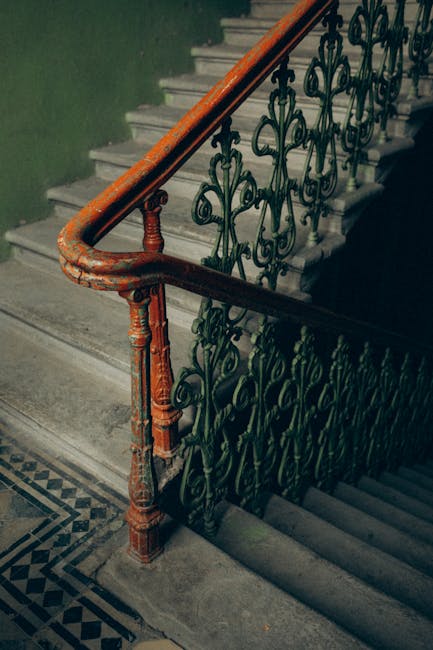
Staircase & lift access: moving bulky waste in Victorian homes
Victorian homes have a lot going for them: high ceilings, character details, solid brickwork, and staircases that seem to have been designed before furniture was invented. Lovely, yes. Easy for moving a bulky sofa, wardrobe, or old washing machine out through the front door? Not always. If you are planning a clearance, refurbishment, or simply getting rid of heavy items, staircase & lift access in Victorian homes can make the difference between a smooth job and a stressful one.
This guide explains how bulky waste is moved safely in period properties, what makes Victorian access tricky, and how to plan around narrow stairs, tight turns, shared hallways, and lifts that may be small or unavailable. It also covers practical checks, safety considerations, and the points people often miss until the day of the job. To be fair, that is usually when the panic starts.
If you want a clearance process that feels organised rather than chaotic, start by understanding the access route first. The waste item itself matters, of course, but the staircase, lift, landing space, and exit route often decide how the job is handled.
- Why access matters in Victorian homes
- How bulky waste is moved safely
- Key benefits and practical advantages
- Who this is for and when it makes sense
- Step-by-step guidance
- Expert tips for better results
- Common mistakes to avoid
- Tools, resources and recommendations
- Law, compliance, standards and best practice
- Options, methods and comparison
- Case study or real-world example
- Practical checklist
- Frequently asked questions
Why Staircase & lift access: moving bulky waste in Victorian homes Matters
Victorian homes were built in an era when everyday life looked very different. Staircases were often steep, landings were compact, and internal layouts were shaped by the architecture of the time rather than modern moving needs. That means bulky waste removal is not just a lifting problem; it is an access problem.
Think about a three-seat sofa with a fixed armrest, a broken wardrobe, an old mattress, or a tumble dryer that has to come down two flights of narrow stairs. If the route is not measured and planned, the item can catch on the banister, mark the walls, or become awkwardly twisted at the turn. Nobody wants that. And nobody wants a last-minute realization that the lift is too small, too slow, or out of service either.
This matters for three reasons. First, safety: heavy items can injure people if they are moved badly. Second, property protection: period features, plasterwork, decorative trims, and bannisters are easy to damage. Third, efficiency: if access is poor, a job that should take a short time can stretch into a messy all-day job. That is frustrating for homeowners and for anyone carrying the load.
For landlords, estate agents, homeowners, and tradespeople, access planning also supports better decision-making. You can work out whether an item can come out intact, needs dismantling, or should be removed in sections. That little bit of thinking upfront saves a lot of grief later.
Practical takeaway: in Victorian properties, the route out is often more important than the item itself. Measure the stairs, check the landing space, and confirm lift access before anyone starts moving heavy waste.
How Staircase & lift access: moving bulky waste in Victorian homes Works
Moving bulky waste in a Victorian property usually follows one of three routes: down the staircase, through a lift, or out in smaller parts after dismantling. The right method depends on the item, the layout, and how much room there is to manoeuvre.
Staircase removal is the most common in many period houses and flats. A two-person lift technique, sometimes with a sack truck or protective covers, may be enough for smaller items. Larger objects may need to be tilted, rotated, or carried in a vertical position to make the corners. If the stairwell is narrow, the team may work one step at a time, keeping the load steady and communicating constantly. Short, clear instructions matter here. A lot.
Lift access sounds simpler, and sometimes it is. But in older buildings, lifts may be small, slow, or shaped awkwardly. Some lifts have weight limits, limited door widths, or internal dimensions that make large items impossible to fit without angling them carefully. In some cases, the lift is useful for bags, boxed waste, and smaller dismantled parts, but not for complete furniture pieces.
Dismantling is often the smart middle path. A wardrobe, bed frame, desk, or filing cabinet can usually be broken down into more manageable sections. That reduces strain, lowers the chance of damage, and makes the route through the house far easier. It also gives you a chance to sort recyclable materials from general waste while you work.
Good access planning usually starts with a simple survey of the route:
- measure stair width and landing depth
- check door frames and hallway pinch points
- note handrails, corners, and low ceilings
- confirm lift dimensions, if there is a lift
- identify where the item will be carried from and to
- check whether any dismantling is needed first
That sounds very practical because, well, it is. You are trying to avoid surprises. Victorian homes are full of charming surprises already; your bulky waste route does not need to be one of them.
Key Benefits and Practical Advantages
When staircase and lift access are planned properly, the benefits are immediate and very real. It is not just about convenience. It changes the whole quality of the clearance.
Less risk of damage
A careful route reduces scuffed walls, chipped paintwork, broken spindles, and dented doors. In period homes, even small marks can be noticeable because the features are often more detailed and less forgiving than in newer properties.
Smoother, quicker removals
Clear access means fewer pauses, fewer awkward turns, and fewer attempts to "just see if it fits." Anyone who has tried to wrestle a mattress around a Victorian landing knows that guessing rarely ends well.
Better protection for people
Moving bulky waste incorrectly can strain backs, trap fingers, or cause slips on stairs. A planned route supports safer manual handling and lowers the chance of someone taking a bad step while trying to steady a heavy item.
More accurate planning and pricing
When access is clear from the start, it is easier to estimate labour, time, and the right removal method. That means fewer surprises and a more realistic quote. If you are comparing service options, it can help to review pricing and quotes alongside the access notes, because the two are closely connected in real jobs.
Better sorting and sustainability
Bulky waste is not always one mixed pile. Furniture, metal fittings, wood, textiles, and electrical items may need different handling. Good access planning gives you time to separate items properly, which supports responsible disposal and recycling. For households that care about this side of the job, the company's recycling and sustainability approach is worth understanding before the clearance begins.
| Approach | Best for | Main advantage | Typical challenge |
|---|---|---|---|
| Staircase carry | Items that fit the route with care | Direct, flexible, often quickest | Narrow turns, bannisters, steep steps |
| Lift access | Smaller bulky items or dismantled parts | Less physical strain when available | Door widths, weight limits, lift size |
| Dismantling first | Large furniture and awkward items | Improves manoeuvrability and safety | Needs time, tools, and a tidy sort-out |
Who This Is For and When It Makes Sense
This topic matters to a wide range of people, and not just when a sofa is stuck halfway down the stairs. Victorian homes are common across London and other UK cities, so the access issues show up in everyday situations all the time.
You may need this approach if you are:
- clearing a flat in a converted Victorian house
- removing old furniture from a top-floor room
- dealing with bulky waste after renovation work
- preparing a property for sale or letting
- emptying a home after a move, refurbishment, or bereavement
- planning office clearance from a period building with domestic-style access
It also makes sense if the property has shared stairwells, small communal lifts, or awkward access through a side passage. In these buildings, timing and neighbour awareness matter too. Nobody likes an item wedged in the landing while someone is trying to get to work. Not ideal. Not at all.
Sometimes the decision is simple: the item is too big for a safe carry and needs breaking down first. Other times it is a judgement call, especially with valuable antique furniture, fragile plaster, or a stairwell that has seen better days. If you are unsure, a proper access check is worth far more than a guess.
Step-by-Step Guidance
If you want the process to feel controlled, break it into stages. That is the easiest way to avoid overcomplicating it.
1. Identify the bulky items
List everything that needs to go. Include furniture, appliances, broken fittings, mattress waste, and any mixed materials. Group the items by size and awkwardness. A coffee table is not the same as a wardrobe, and a wardrobe is not the same as a cast iron bed base. Obvious, but it helps when you are in the room and feeling rushed.
2. Measure the access route
Check stair width, landing depth, turning points, lift doors, and hallway clearances. If the item has to be tilted or carried diagonally, that extra movement needs room. Measure the widest part of the item, not just the front face. People miss that more often than you would think.
3. Decide whether dismantling is needed
Some items should be taken apart before anyone tries to move them. Bed frames, shelving units, wardrobes, and large desks are common examples. Dismantling can turn a difficult job into a manageable one. It also reduces the chance of scraping walls on the way out.
4. Protect the property
Use floor coverings, door protection, and careful handling around corners, skirting boards, and banisters. Victorian interiors often have more detail, and even "just a small knock" can leave a lasting mark.
5. Choose the safest route
Compare staircase, lift, and alternative exit options. Sometimes the safest route is not the shortest one. If the lift is available but too tight, the stairs may still be better. If the staircase is too steep or the item is too heavy, dismantling first may be best.
6. Move in a controlled sequence
Keep one person guiding, one lifting, and one watching clearances when necessary. Communication should be steady and calm. The fastest clearances are usually the ones where nobody is guessing.
7. Sort and remove responsibly
Separate recyclable parts from general waste where possible, and keep hazardous or electrical items identified. It helps the whole job feel cleaner and more accountable.
If you want to speak to a team before booking anything, you can always use the contact page to ask about access, item sizes, and likely handling requirements.
Expert Tips for Better Results
These are the little things that often make a bigger difference than people expect.
- Take photos of the route. A quick set of pictures of the staircase, lift, hallway, and the item itself can help with planning.
- Measure twice, then once more if the item is awkward. That sounds overly cautious, but it prevents most access surprises.
- Remove drawers, shelves, and loose parts first. It makes large furniture less bulky and easier to control.
- Clear the path completely. Shoes, mats, plant stands, and hall clutter are easy trip hazards.
- Protect corners and high-contact areas. A little padding near the tight turn can save a lot of repainting later.
- Check lift timings and permissions in advance. In shared buildings, the lift may need booking or there may be quiet hours.
- Plan for the unexpected. If something does not fit, have a fallback route or dismantling option ready.
One practical tip that often gets overlooked: listen for the building. Old staircases can creak in ways that tell you the load is shifting, and that is useful information. Not scientific, maybe, but useful all the same.
If the property is mixed-use or partly converted, you may also want to review the provider's health and safety policy and insurance and safety information before work starts. Trust matters when people are carrying heavy objects down tight stairs.
Common Mistakes to Avoid
Most access problems are preventable. The trouble is, they are often easy to dismiss right up until the item is half-way through the doorway.
Assuming the lift will solve everything
Many Victorian conversions have lifts, but not all lifts are suitable for bulky waste. A lift may be helpful for smaller items and dismantled pieces, yet completely useless for an intact wardrobe or fridge-freezer.
Skipping measurements
Guessing the fit is one of the quickest ways to create damage and delay. Measure the route, the item, and the turning space. All of it.
Ignoring the landing
A staircase may be wide enough, but if the landing is tight, the item may not turn. That is a classic Victorian-home problem.
Forgetting about shared access
Communal hallways, neighbour schedules, and building rules can affect timing. If access is shared, plan politely and clearly.
Not separating awkward items first
Loose glass shelves, drawers, and detachable panels should be removed before movement. Otherwise they become a second problem while you are dealing with the first.
Leaving heavy lifting to "just a quick carry"
A quick carry is often how people get hurt. Bulky waste is bulky for a reason. It needs a proper plan, not optimism.
And yes, optimism is nice. But not on a narrow staircase with a heavy desk.
Tools, Resources and Recommendations
The right tools do not need to be fancy. They just need to fit the building and the item.
- Measuring tape: essential for stair width, door frames, and lift openings.
- Protective covers: useful for bannisters, walls, and doors.
- Gloves and sturdy footwear: simple, but non-negotiable in a proper manual-handling job.
- Sack truck or trolley: only if the route supports it. Some Victorian stairs are far too tight.
- Basic tools for dismantling: suitable screwdrivers, spanners, or hex keys, depending on the item.
- Labels or bags for loose parts: keeps screws, brackets, and fittings together.
- Phone camera: very handy for documenting awkward access points before the job.
For trust and process details, readers often like to check a company's about us page to see how the business presents itself, and its terms and conditions so they understand what is included. If you are booking online, the payment and security information is also sensible reading. A small thing, but it helps people feel settled before the job begins.
Law, Compliance, Standards, or Best Practice
This kind of work touches on manual handling, property safety, waste responsibility, and sometimes shared building rules. The exact legal and practical duties can vary depending on the setting, so it is wise to approach the job with care rather than assumptions.
As a general best practice, bulky waste should be moved in a way that reduces risk to people and property. That means planning the route, avoiding unsafe lifting, and not forcing items through spaces that are too tight. If an item is too large to move safely, dismantling or a different removal method is usually the sensible route.
For buildings with lifts, it is also common to check any communal rules or management requirements in advance. Some blocks require lift booking, padding, or limited moving times. In older Victorian conversions, the building may be partly domestic, partly communal, and a bit awkward in between. Those details matter.
From a waste perspective, good practice means separating recyclable material where possible and treating electrical or specialist items appropriately. You do not need to become an expert in everything overnight, but you do need to avoid dumping all judgment into one bag and hoping for the best.
If you want reassurance around safer working practices, it may help to read the company's health and safety policy and insurance and safety pages. For anything involving collection, service scope, or payment process, the terms and conditions and payment and security details can answer a lot of practical questions before you book.
Options, Methods, or Comparison Table
There is no single best method for every Victorian property. The right choice depends on the item, the staircase, and the building rules. Here is a simple comparison that helps narrow things down.
| Method | Pros | Cons | Best suited to |
|---|---|---|---|
| Carry via staircase | Direct, flexible, works in most homes | Hard work, higher damage risk if cramped | Furniture and waste that fits safely through turns |
| Use lift access | Can reduce strain and save time | May be too small or unavailable | Dismantled pieces, bagged waste, smaller items |
| Dismantle before moving | Improves safety and manoeuvrability | Takes extra time and tools | Large wardrobes, beds, shelving, desks |
| Stage items for later removal | Useful in very tight or shared properties | Needs coordination and storage space | Flats, conversions, or properties with access restrictions |
In practice, the best option is often a mix. A wardrobe might be dismantled, the parts carried down stairs, and smaller waste taken by lift if the lift is available. Real buildings are like that. A bit messy, a bit practical, and rarely as neat as the plan on paper.
Case Study or Real-World Example
Here is a realistic example based on the sort of access challenge people face in Victorian homes.
A household in a converted Victorian terrace needed to remove a double bed frame, a chest of drawers, several bags of mixed household waste, and an old desk from the top floor. The staircase was narrow, with a tight turn at the half-landing and a low ceiling in one section. There was a lift in the building, but it was too small for the bed frame and had a narrow door opening.
The sensible approach was to dismantle the bed frame in the bedroom, remove drawers and shelves from the desk, and carry the parts one by one down the stairs. The bags of waste went down separately, and the lift was only used for smaller items that could fit easily. The team protected the walls at the turn, kept the landing clear, and moved slowly enough to avoid scraping the railings.
The result was a clean clearance with no damage to the property and far less stress than trying to force the bed frame through in one piece. The homeowner had expected the access to be a nightmare, but once the route was broken into stages, it became manageable. That kind of job happens all the time, truth be told.
The lesson is simple: access planning turns an awkward clearance into a controlled one. You do not need perfection. You just need a sensible route, the right tools, and a plan B if the item says "absolutely not" at the stairs.
Practical Checklist
Use this checklist before bulky waste is moved in a Victorian home.
- List every bulky item that needs removing
- Measure stair width, landings, doors, and lift access
- Check whether the item needs dismantling
- Clear hallways, landings, and the route to the exit
- Protect walls, bannisters, and door frames
- Confirm whether the lift can actually be used for the item
- Set aside loose parts, screws, and fittings
- Separate recyclable or electrical items where possible
- Check any building rules for shared access or lift booking
- Choose a safe, realistic removal plan rather than a rushed one
Quick summary: if the item is awkward, measure first; if the route is tight, dismantle early; if the lift is small, do not assume it will save the day. That little bit of preparation is what keeps the job calm.
If you want a clearer idea of the service journey, reviewing the provider's recycling and sustainability page can also help you understand what happens after the bulky waste leaves the property.
Conclusion
Staircase and lift access are central to moving bulky waste in Victorian homes because these properties were not built around modern furniture, appliances, or clearance equipment. The good news is that most access problems can be handled with proper measuring, careful planning, and the right removal method. Sometimes that means using the stairs. Sometimes it means using the lift where available. Often it means dismantling first and moving in stages.
The key is not to force the job. Victorian homes reward patience more than speed, and a calm, measured approach nearly always gives you a better outcome. Less damage, less stress, fewer surprises. That is the aim, really.
Get a free quote today and see how much you can save.
If you are preparing for a clearance and want a straightforward conversation about access, timing, or what can realistically be moved, start with a proper enquiry and go from there. A little planning now makes the whole process feel lighter. And honestly, that is a relief when you are dealing with a heavy staircase on a rainy London morning.
Frequently Asked Questions
Can bulky waste be moved down a Victorian staircase safely?
Yes, often it can, but only if the item fits the route and the move is planned properly. Narrow stairs, sharp turns, and awkward landings are common in Victorian homes, so measuring first is essential.
What if the lift in my Victorian building is too small?
If the lift is too small, it may still be useful for smaller items or dismantled parts. Large furniture usually needs another route or needs to be broken down before removal.
Do I need to dismantle furniture before moving it out?
Not always, but large items such as wardrobes, bed frames, desks, and shelving units often move more safely once dismantled. It can make a difficult route much easier.
How do I know if my staircase is too narrow?
Measure the widest part of the item and compare it with the stair width, landing space, and turning points. If the item must rotate around a corner, the landing size matters just as much as the staircase itself.
Will moving bulky waste damage my walls or banisters?
It can if the move is rushed or the route is not protected. Good practice includes using covers, taking loose parts off first, and moving slowly through tight areas.
Is lift access better than using the stairs?
Not always. A lift can reduce physical strain, but many older lifts are small or have awkward door openings. The best option depends on the item and the building.
What should I do before booking a clearance in a Victorian home?
Make a list of items, measure the access route, check whether anything needs dismantling, and confirm whether there are any shared building rules. That gives you a much clearer picture from the start.
Can I leave bulky waste in the hallway until collection day?
Only if it is allowed and it does not block access or create a fire or trip hazard. In shared buildings, it is usually better to keep hallways clear until the team is ready to move items.
How can I reduce the risk of damage during removal?
Protect walls and corners, remove loose parts, clear the route, and avoid forcing items through tight gaps. Slow, steady handling is usually better than a rushed carry.
What types of bulky waste are hardest to move in Victorian homes?
Large wardrobes, sofas, mattresses, refrigerators, and heavy office furniture are often the hardest because they are bulky, awkward, or hard to turn on narrow landings.
Should I ask about insurance before booking a removal service?
Yes. It is sensible to check insurance and safety details before anyone starts moving heavy items through a period property. That gives you added confidence if something unexpected happens.
How do I get a quote for a property with difficult access?
Provide details about the item sizes, floor level, staircase width, and whether a lift is available. For a more tailored estimate, use the pricing and quotes page or send an enquiry through the contact page.
If you are still comparing providers, it can also help to read the about us page for background and the complaints procedure for extra peace of mind. Those pages do not move furniture, of course, but they do tell you a lot about how a company works.