Bethnal Green council rules for bulk waste collections (E2)
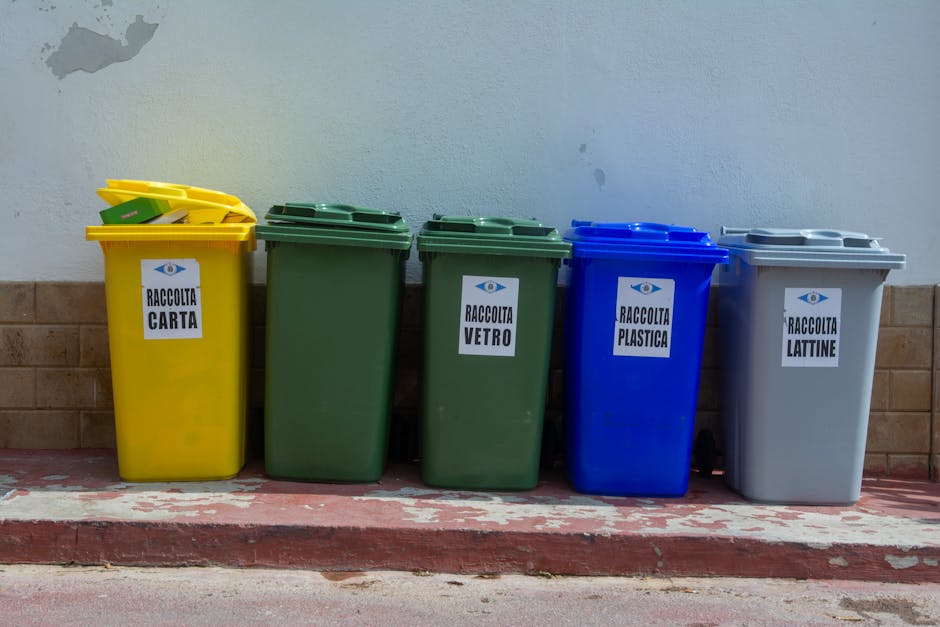
If you have an old sofa blocking the hallway, a broken wardrobe in the flat, or a pile of mixed junk that has quietly grown legs in the loft, the rules around bulk waste can feel oddly complicated. Bethnal Green council rules for bulk waste collections (E2) are meant to keep streets tidy, reduce fly-tipping, and make sure large items are handled safely, but the practical side is not always obvious. What counts as bulk waste? Do you need to book ahead? Can you leave items outside? And what if you need it gone sooner rather than later?
This guide breaks the whole thing down in plain English. You will find the essentials of how bulk waste collections usually work in Bethnal Green, where people go wrong, what to check before booking, and when a private clearance service may be the smoother option. Truth be told, the best outcome is usually the one that saves you time, avoids fines or missed collections, and gets the space back without a headache.
Why Bethnal Green council rules for bulk waste collections (E2) Matters
Bulk waste rules matter because large items are not treated the same as everyday bin waste. A mattress, armchair, fridge, broken desk, or pile of renovation offcuts can create safety issues if they are left on the pavement without permission. In a busy part of East London, that can turn into a problem quickly. One item left out of place can block a footpath, attract complaints from neighbours, or be mistaken for fly-tipping if it is not arranged correctly.
The council approach also matters because it sets expectations. It tells residents what is acceptable, how to request collection, where items should be placed, and what kinds of waste may need a different route. That helps you avoid the frustrating sort of mistake that ends with an item sitting outside for days in the rain, looking worse by the hour. We have all seen that scene on a wet morning: a soggy sofa, a damp cardboard box, and someone regretting they did not check first.
There is another reason this topic is worth understanding. Bulk collections are often about timing as much as disposal. If you are moving out of a flat, clearing an office, or making room for new furniture, waiting too long can slow everything down. Knowing the rules early helps you decide whether to use the council route, arrange a private clearance, or combine both.
Expert summary: The main value of understanding bulk waste rules in Bethnal Green is not just compliance. It is avoiding delays, preventing missed collections, and choosing the disposal route that actually fits the size, urgency, and type of waste you have.
How Bethnal Green council rules for bulk waste collections (E2) Works
Bulk waste collection is usually the process for disposing of larger household items that do not fit in regular bins. Think furniture, large appliances, old carpets, or other items that are too bulky for standard collection. The exact process can vary by council service and by the item type, so it is sensible to check the current requirements before putting anything out.
In practice, the process usually follows a few common steps:
- Check whether the item qualifies as bulk waste. Some things are accepted as bulky items, while others may need specialist handling, especially if they contain electrical parts, sharp edges, or hazardous materials.
- Arrange the collection in advance. Councils typically expect some form of booking or request rather than items being left outside spontaneously.
- Prepare the item properly. That might mean separating components, removing personal belongings, or ensuring the item is accessible for collection.
- Place the waste in the correct location. Usually this means somewhere safe and easy to reach, not blocking entrances, pavements, or shared access routes.
- Wait for collection within the approved time window. Missed timings happen, so it is sensible to keep an eye on instructions and any confirmation you receive.
It is worth noting that not all bulk items are equal. A wooden table is one thing; a refrigerator is another. Furniture is often straightforward, while items with gas, refrigerant, batteries, or electrical components can come with extra handling rules. If you have a mixed load, the safest move is to sort it first rather than assuming everything can go together.
For larger clear-outs, people often compare the council route with a private service such as waste removal, especially when the job includes more than one kind of item or needs to happen quickly. That is not always necessary, but it is a useful benchmark when you are deciding how much time you want to spend on it.
Key Benefits and Practical Advantages
The most obvious benefit is legal and practical peace of mind. If you follow the rules, you reduce the risk of items being left out incorrectly or rejected. That matters more than people think. A rejected collection can snowball into a much bigger job, particularly if you are already juggling moving boxes, work deadlines, or family chaos.
There is also a cost consideration. Council bulk collections can be the more economical choice for simple jobs, particularly when you only have one or two items and no urgent deadline. For a single old sofa or broken wardrobe, the council route may be the neatest answer. For clear-outs with multiple rooms, however, time becomes a value too. Suddenly, paying for convenience looks less like a luxury and more like common sense.
Another advantage is environmental. Proper collection and sorting make reuse and recycling more likely, which is better than dumping items in a skip with no thought for what happens next. If sustainability matters to you, a service with a clear recycling approach can make a difference. You can learn more about practical environmental handling through the site's recycling and sustainability approach.
And there is a quieter benefit, the one people usually underestimate: mental relief. Clearing a room changes how a home feels. A spare room stops feeling like storage. A hallway becomes walkable again. A small flat suddenly breathes. That sounds dramatic, but anyone who has stepped around a broken chair for three weeks knows exactly what I mean.
Who This Is For and When It Makes Sense
This guidance is useful for residents, landlords, tenants, property managers, and small businesses in E2 who need to dispose of larger waste items responsibly. It is especially helpful if you are dealing with a move, end-of-tenancy clean-up, downsizing, refurbishment, or an inherited property that needs sorting out.
It also makes sense for anyone who has a mix of waste types. For example, if you have household furniture, old shelving, and some general junk, the bulk collection route may work for part of the load but not all of it. In those cases, a broader clearance plan can save a lot of back-and-forth. A local home clearance or house clearance service may suit a full property clear-out better than trying to split the job into several separate collections.
It is also relevant if you are clearing a top-floor flat, a shared building, or a property with tight access. Bethnal Green has plenty of buildings where access is not exactly generous. Narrow stairwells, shared entrances, and controlled parking all make bulk waste handling a bit more fiddly than it sounds on paper.
If your items are mostly furniture, you may also want to look at furniture clearance or furniture disposal. Those options can be especially useful when what you need is not just collection, but sensible handling of usable and non-usable pieces.
Step-by-Step Guidance
Here is the practical version, without the fluff.
- List everything you need to remove. Write it down properly. Not just "old stuff". Include item types, number of pieces, and anything awkward like broken glass, sharp metal, or electrical equipment.
- Separate bulk waste from other waste. Put general rubbish, recyclables, electrical items, and garden material into clearly different groups if needed. It makes decisions easier later.
- Check what the council accepts. Bulk collections are not a free-for-all. Some items may be refused, and some need special arrangements. This step saves hassle.
- Look at access. Can the item be carried out safely? Will it fit through the stairwell? Is the pavement clear? Is there a parking issue? A minute of thought here can save a messy morning.
- Book or arrange the collection in advance. Do not assume you can just leave things out whenever. That is one of the most common reasons people get caught out.
- Prepare the items the right way. Dismantle what you can safely dismantle, tape loose doors shut, and remove anything personal or hazardous.
- Place items where instructed. Usually this means somewhere accessible and tidy, not right in the path of neighbours, cyclists, or delivery drivers who are already having a stressful day.
- Keep proof of the arrangement. Save confirmation details, reference numbers, or messages so you can show what was agreed if anything goes sideways.
If the job turns out to be bigger than expected, or the collection window does not suit you, a private service may be the calmer option. For business properties, a dedicated business waste removal arrangement can be more suitable, particularly when timing matters and the waste mix is broader.
Expert Tips for Better Results
First, sort before you book. It sounds obvious, but people skip it all the time. A quick sort can reveal whether you really have bulk waste, mixed waste, or a combination that needs two separate solutions. That distinction saves both money and frustration.
Second, think in terms of access, not just volume. A single heavy wardrobe in a fourth-floor flat can be more difficult than a van-load of lighter items from a ground-floor office. The weight, shape, and route out of the building all matter. Sometimes the hardest part is the last ten metres from the doorway to the street.
Third, if you are clearing an entire room or multiple rooms, it may be smarter to combine bulk collection with a more complete service like flat clearance or office clearance. That can reduce repeated lifting, repeated booking, and repeated waiting. Repetition is fine in the gym. Less so when you are moving a sofa down stairs.
Finally, keep an eye on the weather. London rain has a way of arriving at exactly the wrong moment. If items are left outside for collection, cover them appropriately if instructed and make sure they will not become waterlogged or cause a slip hazard. Small thing, but it matters.
Common Mistakes to Avoid
One common mistake is assuming every large item counts as bulk waste. Not always. Some items need specialist handling, and others may be rejected if they include restricted materials. If you have chemicals, paint, gas canisters, or anything that feels a bit more than ordinary household junk, pause and check first.
Another mistake is leaving items out too early or in the wrong place. This can create complaints, block access, or mean your waste sits there for longer than expected. In a busy street, that is exactly the sort of thing neighbours notice. And fairly quickly too.
People also get caught by overfilling the collection. A booking for one type of item is not a promise that everything in the spare room will disappear in one go. If you are clearing a garage, loft, or garden, the load can grow fast. That is where planning matters.
One more: forgetting that "dispose of it later" is not a plan. It is procrastination wearing a hi-vis jacket. If you need the space back, set the process in motion now, not next week.
Tools, Resources and Recommendations
You do not need specialist equipment for most bulk waste jobs, but a few simple tools help. A tape measure helps you judge whether an item will fit through doorways and stairs. Strong gloves are useful for handling splintered wood, sharp frames, or dusty items from a loft or garage. A marker pen and tape can help label what is staying and what is going.
A phone camera is also practical. Taking photos of the items before you arrange collection can help you describe the job accurately and avoid confusion later. That is especially useful for mixed clearances, awkward access, or items that may need dismantling.
For furniture-heavy jobs, it can be useful to think ahead about reuse versus disposal. Some items may be suitable for removal and sorting, while others are simply past it. If your main concern is getting bulky household items out without drama, a service focused on furniture clearance can be a straightforward route.
If your waste includes loft clutter, seasonal items, or the usual accumulation of forgotten boxes and old frames, a more complete loft clearance can be a much better fit than trying to break the job into several tiny collections. It is often the difference between "almost done" and actually done.
Law, Compliance, Standards, or Best Practice
Without getting tangled in legalese, the main point is simple: waste has to be handled responsibly. In the UK, householders and businesses have duties around proper disposal, and waste should not be left in a way that creates nuisance, hazard, or fly-tipping risk. Local council rules sit on top of that practical responsibility and set the local process you are expected to follow.
Best practice is to make sure your waste goes to a legitimate collection or disposal route, is stored safely before collection, and is not placed where it can obstruct people or attract pests. For businesses, the standard is usually even more exacting because commercial waste often includes mixed materials, records, electrical items, office furniture, and sometimes larger volumes than expected.
If you are a landlord or managing a property, you should be especially careful with abandoned items after a tenancy ends. A quick, tidy, documented clearance is usually much easier than letting everything drift. It saves time later and makes the property easier to re-let. Simple, really.
For a business setting, a service such as business waste removal can help keep arrangements aligned with day-to-day operational duties, while the site's health and safety policy and insurance and safety information show the kind of standards people should look for in a clearance provider. You do not want shortcuts on something that involves lifting, access, and disposal. Not worth it.
Options, Methods, or Comparison Table
If you are trying to choose the right route, it helps to compare the main options side by side. The right answer depends on item type, quantity, access, and how quickly you need the space cleared.
| Option | Best for | Strengths | Possible limitations |
|---|---|---|---|
| Council bulk waste collection | One-off bulky household items | Often cost-effective and familiar | May need booking, item limits, and strict presentation rules |
| Private waste removal | Mixed loads or quicker turnaround | Flexible, convenient, less waiting around | Usually costs more than council collection |
| Furniture-specific clearance | Sofas, beds, wardrobes, tables | Efficient for bulky household pieces | Less suitable if the load includes many different waste types |
| Full property clearance | Flats, houses, lofts, garages, offices | Best for large or multi-room jobs | Can be more than you need for a single item |
There is no single perfect option. That is the honest answer. If you have just one sofa, council bulk collection might be enough. If you have a full flat after a move, a more comprehensive service usually makes life easier. The trick is not picking the "best" option in theory. It is choosing the one that fits your actual day.
Case Study or Real-World Example
Imagine a couple in Bethnal Green who are moving from a two-bed flat. They have a broken bed frame, an old sofa, three dining chairs, a wobbly desk, and a box of mixed bits from the airing cupboard. On paper, it looks like one simple bulk collection. In practice, it is a mixture of furniture, loose items, and a very tight stairwell.
They start by measuring the larger pieces and checking access. The bed frame will come apart, which helps. The sofa is the awkward one, because it barely turns in the hallway. The dining chairs are easy. The mixed box, however, is where the plan changes a bit. It includes small electrical bits and some general clutter, so it is better handled as part of a broader clearance rather than shoved into a bulk item pile and hoped for the best.
They decide to split the job. The furniture goes through a furniture-focused collection, while the rest is handled through a broader home clearance approach. The result is simpler, quicker, and much less stressful. No one is dragging a sofa through the stairwell twice, which is always a win.
That sort of decision is common in real life. The smartest option is not always the one that sounds cheapest at first glance. It is the one that prevents delays, extra lifting, and repeat hassle.
Practical Checklist
Use this checklist before arranging any bulk waste collection in Bethnal Green:
- Make a full list of every item you want removed.
- Separate furniture, electrical items, garden waste, and general junk.
- Check whether any item needs special handling.
- Measure large items against doors, stairs, and hallways.
- Clear access routes inside the property.
- Confirm where the items should be placed for collection.
- Remove personal belongings and any hazardous contents.
- Keep confirmation details or reference numbers safe.
- Plan for a backup option if the council route is not suitable.
- Decide whether a full clearance would save time overall.
If you are dealing with a larger or more awkward load, a service page like builders waste clearance can also be relevant for renovation debris, while garage clearance can be useful when the bulk of the problem lives in one overfull outbuilding rather than the main home.
Conclusion
Bethnal Green council rules for bulk waste collections (E2) are really about making disposal orderly, safe, and fair for everyone. Once you understand the basics, the process becomes much less intimidating. You sort the items, check what qualifies, plan access, and decide whether the council route or a private clearance route is the better fit.
For a small number of items, the council process may be ideal. For mixed waste, awkward access, or time-sensitive clear-outs, a more flexible service can be the better call. Either way, the goal is the same: clear the space properly and avoid the sort of avoidable mess that makes an ordinary task feel twice as hard.
Get a free quote today and see how much you can save.
And if you are standing in a room full of unwanted stuff right now, take a breath. It always feels bigger before it gets sorted. One sensible step at a time, that is usually all it takes.
Frequently Asked Questions
What counts as bulk waste in Bethnal Green?
Bulk waste usually means large household items that do not fit in normal bins, such as sofas, wardrobes, mattresses, tables, and some appliances. If an item includes hazardous material, electrical parts, or specialist components, it may need separate handling.
Do I need to book bulk waste collection in advance?
In most cases, yes. Bulk waste collections generally need to be arranged ahead of time rather than left outside without notice. Booking helps avoid missed collections, complaints, and items being treated as fly-tipping.
Can I leave bulk waste on the pavement outside my home?
Only if the local process allows it and the items are placed exactly as instructed. Leaving waste out randomly is risky and can create obstruction, nuisance, or enforcement issues. When in doubt, check first.
What happens if my bulk waste contains mixed items?
Mixed items may need sorting before collection. Furniture, electrical waste, and general clutter are often handled differently. A quick sort at the start usually saves trouble later.
Is council bulk collection better than private waste removal?
It depends on the job. Council collection can be more economical for a simple one-off item. Private waste removal is often better for mixed loads, bigger clearances, awkward access, or when you need a faster turnaround.
What if I have more waste than the council collection allows?
If the load is too large, you may need to split it into separate collections or use a fuller clearance service. This is common with lofts, garages, flats, and end-of-tenancy clear-outs.
Can old furniture be collected with bulk waste?
Often yes, but it depends on the exact item and collection rules. Sofas, chairs, wardrobes, and tables are typical examples. For multiple furniture pieces, a dedicated furniture clearance can be a better fit.
How should I prepare items before collection?
Remove personal belongings, separate materials where possible, and make sure items are accessible. If safe, dismantle awkward furniture to make removal easier. Keep pathways clear so collection is straightforward.
What should businesses in E2 do with bulk waste?
Businesses should use a proper commercial waste route and avoid mixing business waste with household arrangements. Office furniture, filing, packaging, and refurbishment waste often need a more structured solution, such as business waste removal or office clearance.
What if my item is damaged but still heavy or awkward?
Damaged items can still count as bulk waste, but they may be harder to move and may need careful handling. Broken glass, sharp wood, and unstable frames should be packed or secured safely before collection.
How do I know whether I need a full clearance instead of bulk collection?
If you are clearing several rooms, multiple large items, or a property with mixed waste, a full clearance is often the more practical option. It saves time and reduces the chance of needing more than one collection.
Where can I get help if I am unsure about the right option?
If you are not sure whether your items fit the council route, start by making a list of what you have and what type of access the property has. From there, compare the likely effort against a more flexible service such as waste removal or a property-specific clearance. It is better to decide early than to discover a problem on collection day.